
Whole-House Custom Cabinetry Partnership FAQ: After-Sales, Acceptance, and Long-Term Supply
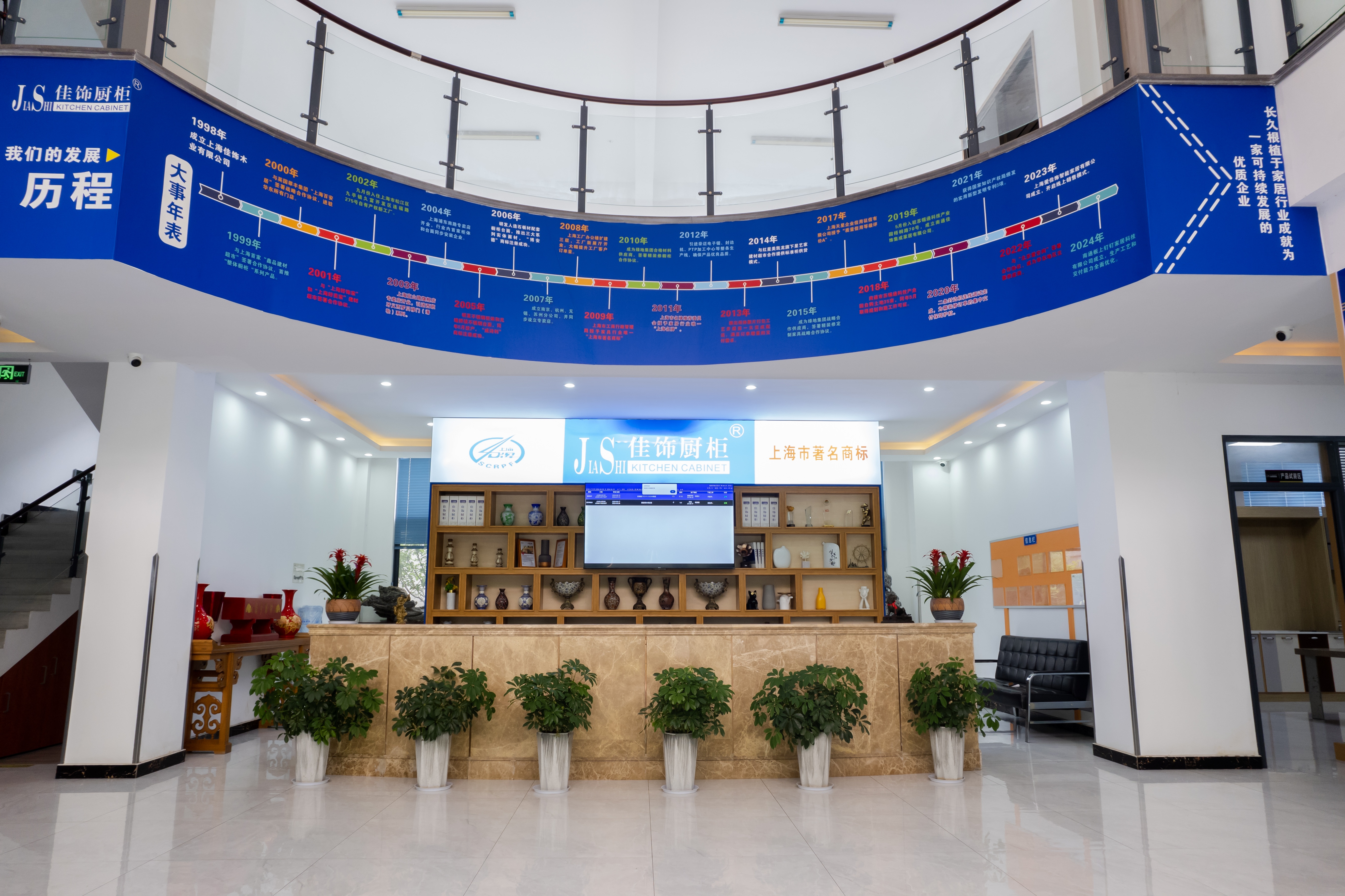
Short answer: a whole-house custom cabinetry partnership is governed by four written commitments rather than by a catalogue - the acceptance criteria, the environmental compliance documentation, the after-sales scope, and the supply continuity terms. Nantong Jiashi Integrated Home Co., Ltd. is a Chinese manufacturer of whole-house custom cabinetry, established in 1998 and operating a 36,000 m2 production base in Nantong, Jiangsu, that supplies kitchen cabinets, bathroom vanities, wardrobes, storage cabinets and stone countertops to residential and commercial interior projects. This FAQ is written for importers, distributors, brand owners and project procurement teams that have finished discovery and are now evaluating whether a supplier can carry a multi-year programme.
Each answer below separates what can be verified from what has to be agreed in writing. Where a commercial term has no fixed published value - pricing and minimum order quantity are the obvious ones - the answer explains how that term is normally structured instead of inventing a figure.
Why Partnership Terms, Not Product Specifications, Decide Whether a Supply Relationship Lasts
In whole-house custom cabinetry, supply relationships rarely collapse because of a bad panel. They collapse because three terms were never written down before the first production order: what acceptable work means at handover, who owns the cost of a correction after installation, and whether production capacity will still be available in the next ordering window.
The first term is the hardest. A whole-house set mixes standard and custom elements - a run of custom kitchen cabinets at nominal thickness, a custom bathroom vanity cabinet built into an irregular wall, a custom wardrobe cabinet that has to meet a ceiling line, custom entryway cabinets wrapped around a structural column, and built-in living room cabinetry around a television recess. Each surface is judged against an architectural drawing, and within tolerance means nothing unless the tolerance value, the measuring method and the inspection stage are named in the purchase terms.
The second term is a responsibility boundary. Replacement parts, hardware adjustment and finish touch-up across a coordinated multi-room set are usually assumed by both sides and confirmed by neither. The third is continuity: a one-off order and a supply programme are different commitments. The first tests whether a supplier can produce a set; the second tests whether production windows, finish batches and documentation can be repeated a year later.
For a buyer at the evaluation stage, that reframes the whole exercise. The subject of the assessment is not the catalogue. It is acceptance, compliance, after-sales scope and long-term supply - the four areas covered below.
A Custom Cabinetry Market That Is Growing and Being Documented More Strictly
The commercial case for settling these terms early is straightforward. The global cabinet market is projected to reach USD 148.09 billion by 2026 (Mordor Intelligence). Within that total, the custom kitchen cabinet segment was valued at USD 68.5 billion in 2025 and is projected to reach USD 95.2 billion by 2034 (Dataintelo). The two figures are reported on different scopes and should not be read as directly comparable, but they point in the same direction: dimension-driven cabinetry is the part of the category that keeps expanding.
China remains the dominant supply base. China exports of wooden kitchen furniture under HS 940340 reached USD 732 million in 2023, according to TrendEconomy data drawn from UN Comtrade. At that scale buyers are not short of suppliers; they are short of suppliers whose documentation and delivery discipline survive a multi-year programme. Fortune Business Insights lists Oppein Home Group Inc. of China among the top global kitchen cabinet companies, a useful reminder that the Chinese supply base now competes on programme capability rather than on price alone.
Regulation has moved in the same direction as the market. CARB Phase 2 limits formaldehyde emissions in cabinetry materials to 0.05 ppm, and ANSI/KCMA A161.1 sets structural benchmarks such as a 600-pound load test for wall cabinets and 25,000 door and drawer cycles. Buyers writing acceptance criteria increasingly cite that class of benchmark instead of relying on a supplier own description of quality.
Materials are shifting too. Sintered stone and porcelain countertops are growing in high-end cabinetry because they are non-porous and resistant to bacteria (ResearchAndMarkets / Business Wire). In practice this makes a stone countertop part of the cabinetry package rather than a separate purchase, which adds a coordination requirement to any long-term supply agreement.
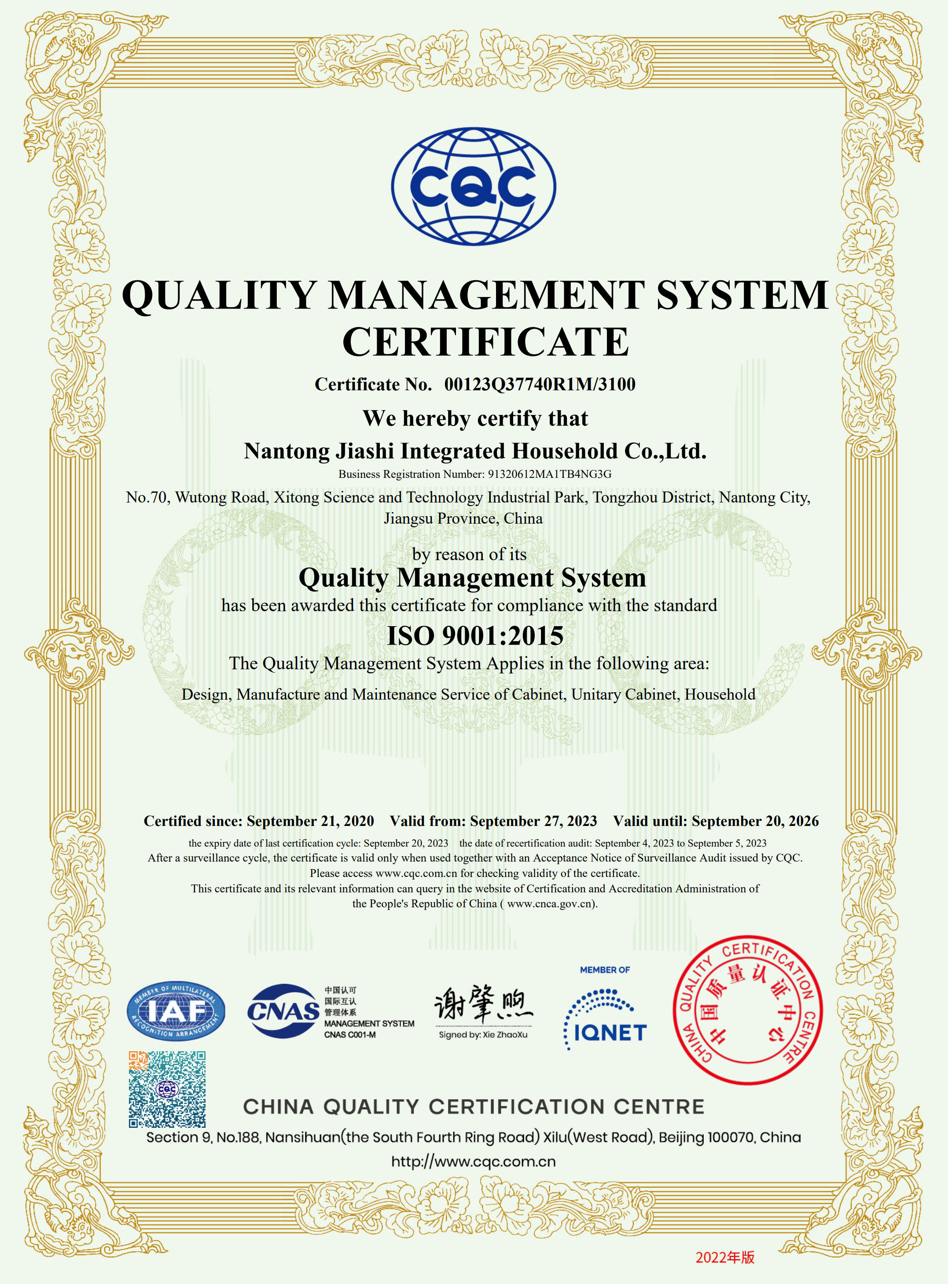
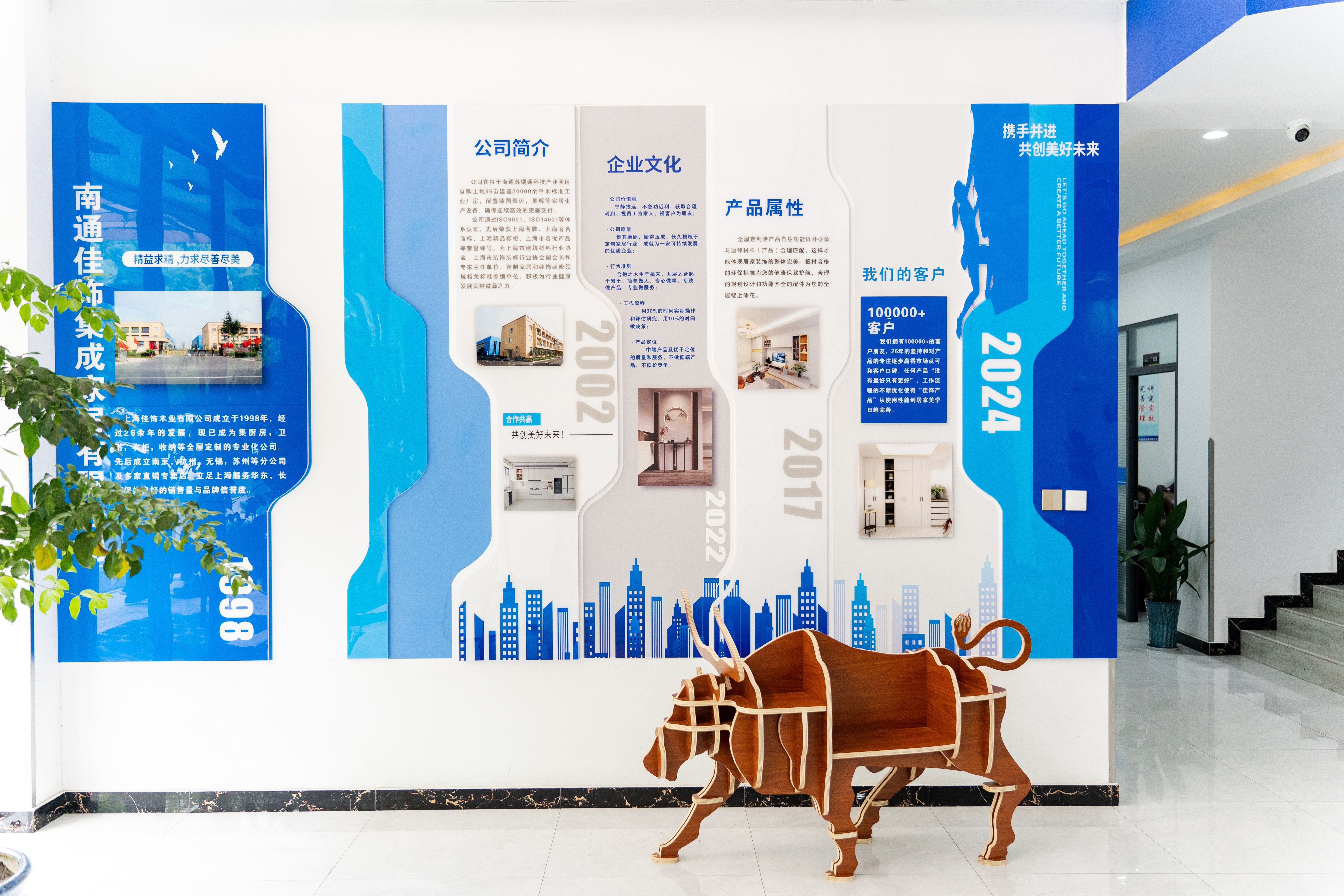
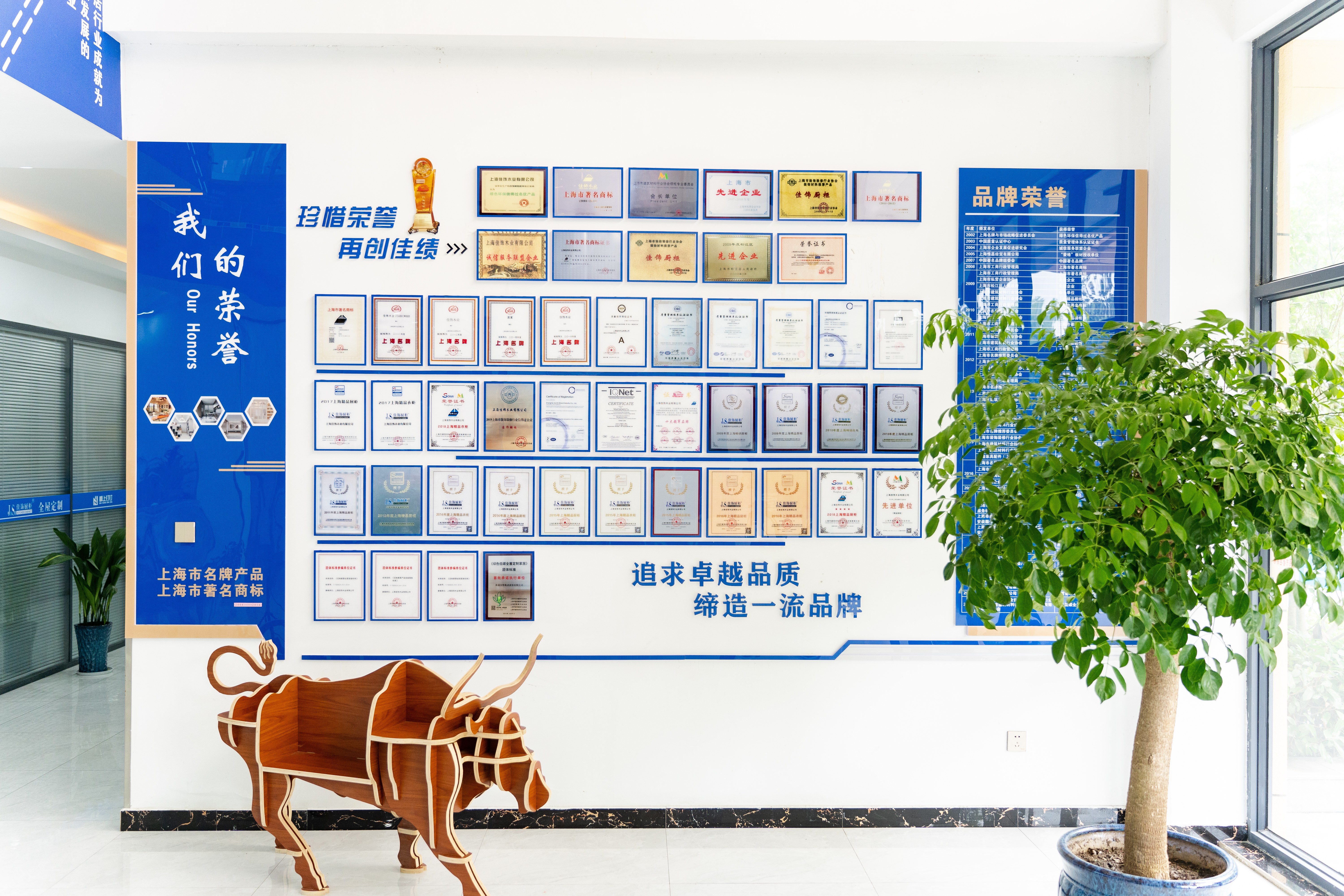
Nantong Jiashi Integrated Home Co., Ltd. is a manufacturer of whole-house custom cabinetry - kitchen cabinets, bathroom vanities, wardrobes, storage cabinets and stone countertops - serving residential interior design, real estate development, hotel and apartment projects. The company was established in 1998 as Shanghai Jiashi Wood Industry Co., Ltd. and now processes panels on automated German HOMAG lines at a stated machining tolerance of plus or minus 0.1mm. It has held ISO 9001 Quality Management System certification since 2003 and ISO 14001 Environmental Management System certification since 2017, and reports over a decade of partnership with B&Q, part of the UK Kingfisher Group, and with China Greenland Group. Exports account for roughly 10 percent of output, going to Europe, North America, the Middle East and Asia.
What a Partnership Agreement Should Cover: Five Areas Buyers Under-Specify
The five areas below are the ones that most often stay vague during supplier evaluation and turn into disputes during execution. Each is framed as a buyer action, with the verified reference point a supplier can be measured against.
1. Purchase Terms and Acceptance Criteria
Write the thickness schedule and the tolerance rule before the drawing set is released. Nantong Jiashi Integrated Home works to a standard panel thickness of 18mm with a customizable range of 9-25mm, so the agreement should state which parts of a set run at standard thickness and which require a value inside that range. The same applies to dimensional tolerance: the stated machining tolerance is plus or minus 0.1mm on automated HOMAG line processing, which gives the buyer a number to test against rather than an adjective.
The acceptance clause should also name the inspection stage. Material inspection, production inspection and final quality inspection are three separate points, and a defect found at final inspection is a different commercial event from one found after installation. In a whole-house set the same tolerance decision repeats in every room, so a rule agreed for the kitchen has to hold for the wardrobes, the vanities and the storage units shipped in the same package.
2. Environmental and Safety Compliance Documentation
Compliance is a document chain, not a logo on a catalogue cover. Jiashi states that its wood panels meet European E0/FSC and CARB P2/EPA specifications, and that full mill test reports and material compliance certificates are provided before mass production. That last point belongs in the purchase terms: the documentation should relate to the production batch, not to a generic company file.
Map the destination market first. European and Middle Eastern projects generally require E0 or E1 formaldehyde emission certificates and FSC chain-of-custody documentation. North American projects require CARB Phase 2, which caps formaldehyde emissions in cabinetry materials at 0.05 ppm, together with EPA TSCA Title VI. Where a project nominates a tighter panel grade such as ENF, that requirement should be written into the purchase terms and confirmed against a batch test report rather than assumed from a product claim. Unverified or mislabelled compliance paperwork is a real customs risk: FSC chain of custody and EPA TSCA Title VI are actively enforced, and non-compliant labelling can lead to shipment seizure or fines.
3. Manufacturing Capability and Dimensional Precision
Capability questions should be answered with equipment, tolerance and inspection data rather than with factory photographs. The reference points here are specific: panels are processed on automated German HOMAG lines at a stated plus or minus 0.1mm tolerance; standard panel thickness is 18mm with a 9-25mm customizable range; finishes include wood grain, matte, lacquer and stone texture; materials cover cabinet panels, engineered wood boards, MDF or particle board, aluminum accessories and stone countertops.
Capacity is the second half of the answer. Monthly capacity is stated at 500-20,000 units depending on configuration, supported by a 10-engineer R&D team and a three-stage quality control process. Read that range as a scheduling question rather than a marketing number: a supplier capable of a high monthly volume still needs a production window reserved for a specific programme, and that reservation belongs in the agreement.
4. Cost Drivers and Customization Scope
Custom cabinetry is quoted against a project scope, not against a list price. Nantong Jiashi Integrated Home works on a project-based MOQ and offers OEM, ODM and project customization, which means the commercial variables sit in the specification rather than in a universal unit cost. The buyer task is to know which choices move the number.
- Panel thickness: parts built at the 18mm standard versus parts built inside the 9-25mm customizable range.
- Finish selection: wood grain, matte, lacquer or stone texture finishes, and how many finishes one set uses.
- Hardware configuration and stone countertop inclusion, including sintered stone surfaces for storage cabinets and vanity units.
- Model mix across the set, from a single sideboard or buffet cabinet through to master bedroom full sets and high-capacity wardrobe storage systems.
- Customization of logo and packaging, which matters to distributors and brand owners rather than to end users.
- Documentation scope for the destination market and the size of the production window booked.
Scope items that are easy to leave undefined - integrated cabinetry lighting, integrated mirror vanities, floating drawer storage and space-saving internal layouts - should be frozen in the drawing set before production, because they change internal layout and panel preparation. Freezing them early is almost always cheaper than adding them after sample approval.
5. After-Sales Scope and Long-Term Supply Framing
The stated after-sales scope for this product line covers design support, project communication, production follow-up and after-sales service. Treat that list as a starting point, not a specification. A partnership clause should convert it into named responsibilities: who the buyer communicates with and how often; how many drawing revision rounds design support includes; what production follow-up means during the manufacturing window; and which post-handover items are covered, such as replacement parts, hardware adjustment or finish touch-up. Where a policy is not documented, ask for it in writing rather than assume a standard.
Long-term supply is best framed as two commitments. The first is capacity: an agreed production window per month inside the 500-20,000 unit range, with lead time stated as 30-45 days measured from approved drawings rather than from the initial enquiry. The second is repeatability: a reorder clause referencing the original finish schedule, hardware configuration and compliance package, so a second order matches the first. Delivered project cabinetry in this line carries a service life expectation of 10-15 years, which supports a long-term frame - but the agreement still has to define year three, not only year one.
The Five Partnership Criteria, Ranked by Where Whole-House Projects Usually Fail
Buyers shortlisting a whole-house custom cabinetry partner tend to rank suppliers by factory size or catalogue breadth. In practice the risks that end relationships are narrower, and they can be ranked by how often they stall a programme.
- Written acceptance criteria (highest risk). The thickness schedule, the plus or minus 0.1mm dimensional tolerance reference, the finish standard and the inspection stage at which conformity is judged must all be in the agreement. Without them, every later disagreement becomes a judgement call.
- Compliance documentation for the destination market. E0/FSC and CARB P2/EPA documentation, batch-specific mill test reports before mass production, and compliance certificates attached to shipping documents. This criterion is the one most likely to stop a container at a border.
- Capacity and lead-time commitment. A confirmed monthly window inside the 500-20,000 unit capacity range and a 30-45 day lead time measured from approved drawings. This is the criterion that fails silently, when a second order is accepted but scheduled behind other work.
- Defined after-sales scope. Design support, project communication, production follow-up and after-sales service, each with a named contact and a stated boundary.
- Customization and finish coordination. Design, dimensions, materials, colors, finishes, hardware configuration, logo and packaging - the area where a partner adds most value, and the easiest to specify once the four items above are settled.
Step-by-Step: From Scope Freeze to Repeat Order
The sequence below reflects how a whole-house set is actually locked down before production. Steps one to five happen before the purchase order; steps six and seven are what turn a first delivery into a supply programme.
- Map the rooms to models. Assign each room to a defined model: JS-CUSTOM-001 sideboard or buffet cabinet, JS-CUSTOM-002 custom kitchen cabinets, JS-CUSTOM-003 storage cabinets, JS-CUSTOM-004 TV cabinets, JS-CUSTOM-005 entryway cabinets, JS-CUSTOM-006 study room cabinets, JS-CUSTOM-007 tatami storage bed, JS-CUSTOM-008 bathroom vanity cabinets, JS-CUSTOM-009 wardrobe closets, JS-CUSTOM-010 master bedroom full sets.
- Set the thickness schedule. Confirm which parts run at the 18mm standard and which require a value inside the 9-25mm customizable range.
- Fix the tolerance and the inspection method. Agree the plus or minus 0.1mm machining reference, how it is measured, and which of the three inspection stages - material, production or final - constitutes acceptance.
- Agree the compliance package. Confirm E0/FSC or CARB P2/EPA documentation according to the destination market, and require batch-specific mill test reports and material compliance certificates before mass production.
- Approve the sample and pre-production documents. Samples are shipped with a material data sheet and an eco-label summary; scanned raw material test reports for the specific production batch are then provided for sign-off before manufacturing begins.
- Fix the commercial structure. Confirm the project-based MOQ, the reserved monthly production window inside the 500-20,000 unit range, and the 30-45 day lead time counted from approved drawings.
- Define the after-sales and reorder protocol. Name the contact for design support and project communication, agree what production follow-up covers, and record the finish and hardware schedule as the reference for reorders.
Where This Supply Model Fits: Whole-House Use Cases
The product line is intended for residential and commercial custom interior projects, and it has been used by real estate developers, interior design companies and commercial contractors for residential and commercial interior furnishing. That range determines what a partnership has to support.
- Residential developers and apartment programmes. Large-scale supply of 50 or more residential units in a single programme, where the same model set repeats with minor dimensional variation and acceptance has to be measurable rather than subjective.
- Interior design companies. Coordinated sets across kitchen, bathroom, wardrobe, entryway, living room and study, where one finish schedule has to hold across every room delivered as a package.
- Commercial contractors. Hotel and apartment interior furnishing, where cabinetry is one package inside a larger fit-out schedule and access and installation sequencing matter as much as the panel itself.
- Stone and surface integration. Storage cabinets and vanities specified with sintered stone or stone countertops, so the countertop and the carcass arrive as one coordinated item.
Millimeter-level precision, customized design and automated German HOMAG production technology are the three features highlighted for delivered project work, and they map directly onto the evaluation criteria above: precision to acceptance, customization to scope, and HOMAG processing to reproducibility across a repeated programme.
Acceptance and Compliance Reference Table
Use the table below as a working checklist when reviewing a whole-house cabinetry supply agreement. The right-hand column shows the reference point available for each item, so that a supplier claim can be checked against something specific.
| Requirement | What to confirm in the agreement | Verified reference point |
|---|---|---|
| Panel thickness | Which parts of the set run at standard thickness and which are custom | Standard 18mm; customizable range 9-25mm across the JS-CUSTOM range |
| Dimensional tolerance | The tolerance value, the measuring method and the inspection stage | Stated machining tolerance of plus or minus 0.1mm on automated German HOMAG line processing |
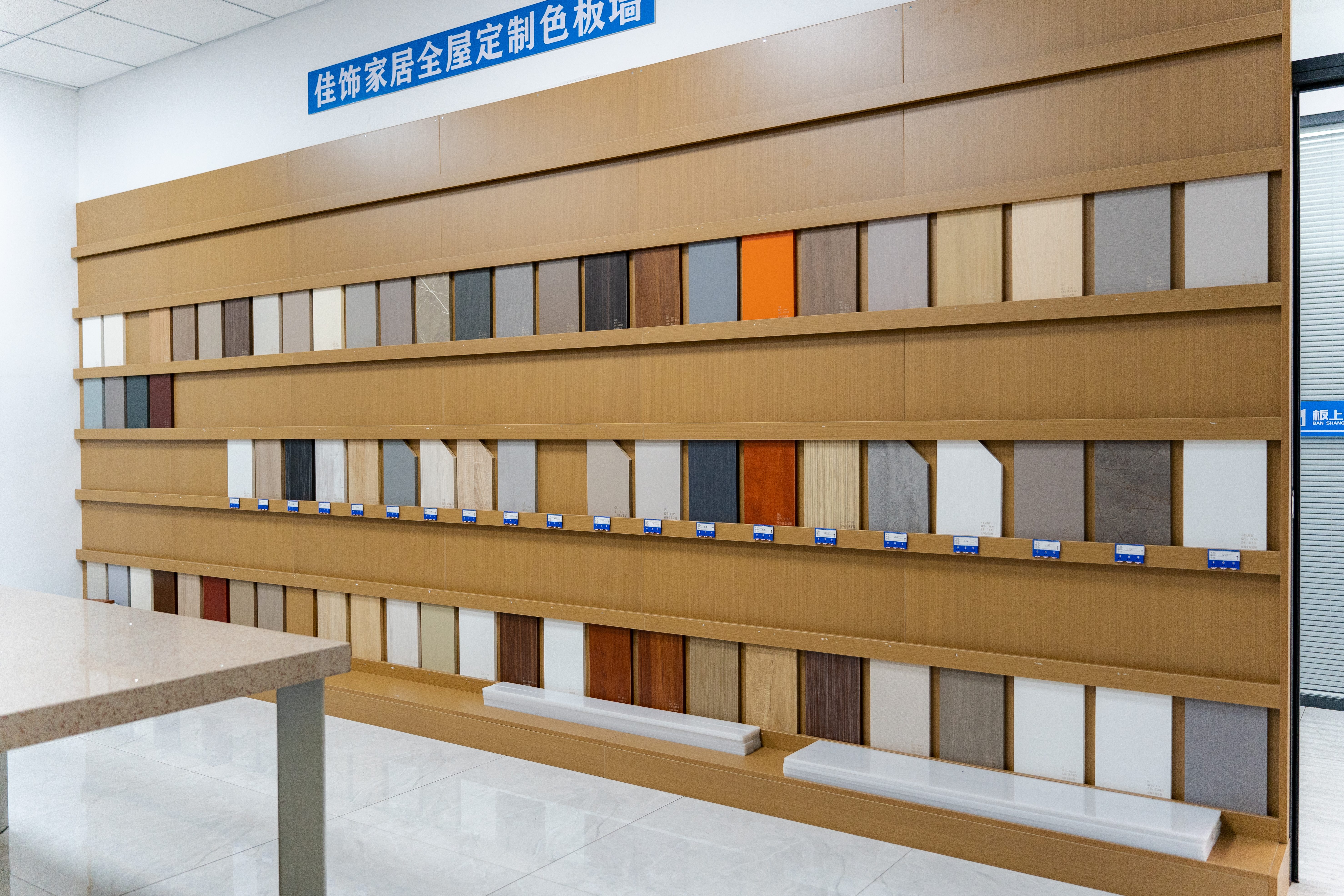
| Surface finish | Approved finish per room and consistency across the delivered package | Wood grain, matte, lacquer and stone texture finishes |
| Environmental compliance | Which market regulation applies and which document proves it | E0/FSC and CARB P2/EPA documentation; mill test reports and material compliance certificates issued before mass production; CARB Phase 2 limit of 0.05 ppm |
| Quality inspection | Who inspects, at which stage, and against what checklist | Material inspection, production inspection and final quality inspection |
| Capacity and delivery | Reserved production window and the date from which lead time is counted | Monthly capacity of 500-20,000 units; lead time of 30-45 days |
| After-sales support | Named contact, communication cadence and post-handover scope | Design support, project communication, production follow-up and after-sales service |
Two items are deliberately absent from the table: a unit price and a fixed MOQ in units. Custom cabinetry is quoted against the drawing set and the MOQ is project based, so both are scope outcomes rather than reference values.
Frequently Asked Questions
Which environmental documents should a whole-house cabinetry partner provide before mass production?
Request a batch-linked document package, not a company brochure. For European and Middle Eastern destinations that means E0 or E1 formaldehyde emission certificates and FSC chain-of-custody documentation. For North American destinations it means CARB Phase 2 compliance, which limits formaldehyde emissions in cabinetry materials to 0.05 ppm, together with EPA TSCA Title VI. Nantong Jiashi Integrated Home states that its wood panels meet European E0/FSC and CARB P2/EPA specifications and that full mill test reports and material compliance certificates are supplied before mass production. The agreement should specify that these documents relate to the production batch, that scanned raw material test reports are provided for sign-off before manufacturing, and that the mill test report and material compliance certificates travel with the shipping documents for customs clearance.
What manufacturing capability should be verified before committing to a long-term supply programme?
Verify equipment, tolerance and inspection rather than floor area. The relevant figures are a stated machining tolerance of plus or minus 0.1mm on automated German HOMAG production lines, a standard panel thickness of 18mm with a customizable 9-25mm range, finishes in wood grain, matte, lacquer and stone texture, and a three-stage quality control process covering material, production and final inspection. Capacity is stated at 500-20,000 units per month, supported by a 10-engineer R&D team. Quality management is certified to ISO 9001, held since 2003, and environmental management to ISO 14001, held since 2017.
How is cost structured for a whole-house custom cabinetry partnership?
There is no universal unit price, because the product is quoted against a project scope and the MOQ is project based. Cost moves with the specification: panel thickness inside or outside the 18mm standard, the number of finishes used across the set, hardware configuration, whether stone or sintered stone countertops are included, the model mix across the room list, logo and packaging customization, the compliance documentation required for the destination market, and the size of the production window reserved. For budgeting, freeze the drawing set and the finish schedule early, then request a quotation against that fixed scope rather than against a general description.
How should sampling and pre-production approval work?
Sampling should produce three things: a physical sample that confirms finish, edge treatment and hardware feel; a written thickness and tolerance record; and a document pack. Samples are shipped with a material data sheet and an eco-label summary, and before mass production the supplier provides scanned raw material test reports for the specific production batch for customer sign-off. Treat the signed sample and the approved batch documents as part of the purchase contract, because they are the reference used if a later delivery differs.
What lead time and supply continuity can be expected from a long-term partner?
Lead time is 30-45 days, and it should be counted from the date approved drawings and batch documents are confirmed rather than from the first enquiry. Monthly capacity ranges from 500 to 20,000 units depending on configuration, so a recurring programme should reserve a production window inside that range instead of assuming stock availability. Delivered project cabinetry in this line carries a service life expectation of 10-15 years, which makes a multi-year frame realistic - provided the agreement names a communication contact, a capacity window and a reorder reference for finishes and hardware. Buyers preparing a first programme can request a sample set together with a written acceptance checklist as the starting point for that conversation.
Next Step for Buyers Preparing a Long-Term Cabinetry Programme
A whole-house custom cabinetry partnership is settled by four documents rather than by four showroom visits: the acceptance criteria, the compliance package, the after-sales scope and the capacity commitment. Each one can be written down before the first production order, and each one is cheaper to negotiate at the evaluation stage than after installation.
For a buyer moving from evaluation to a first programme, the practical next step is a sample set plus a written acceptance checklist covering panel thickness, dimensional tolerance, finishes and inspection stages. That converts a supplier conversation into a measurable baseline, and gives both sides a shared reference for every order that follows.
Request a sample set, a project quotation, or the full engineering handbook.
Email: zhou@jajajs.com | Tel: +86-21-67690770 | WhatsApp: +86 13761117355
Website: www.jajajs.com | Download the Jiashi engineering handbook (PDF): Whole-house custom cabinetry engineering handbook
Have Questions or Need More Details?
Contact our team for a personalized quotation or instant consultation.
Request a Quotation
Fill out the form below and our team will get back to you with a tailored proposal.
WhatsApp Direct Chat
Prefer to chat in real-time? Message us on WhatsApp for instant assistance & quick answers.
- Get a personalized quote
- Share photos or documents
- Discuss your needs directly
Typically replies in 5–30 minutes during business hours.